


Sustainable Architectural Design: Materials, Methods & Benefits
Summary
We often admire beautiful buildings, but rarely think about how they were built. Sustainable architectural design goes beyond aesthetics, it's about using the right materials, smart construction methods, and energy-efficient systems to reduce environmental impact. From passive design to renewable energy, sustainable architectural design is helping architects in India build responsibly for generations to come.
Sustainable architecture is really important for making structures that're good for the environment. Sustainable architecture helps create spaces, by using resources and having a smaller impact on the environment through good design.
What is Sustainable Architecture?
Sustainable design is a way to build things that does not hurt the environment. It also helps the people who use the building to be happy and healthy for a time. When we do design we think about the whole life of a building. This means we think about where the materials come from how we build it how people use it and what happens to it when we are done with it. We do not just think about how it looks and what it can do. Sustainable design is about making sure the building is good, for the environment and the people who use it.
Key Principles of Sustainable Architecture
- We need to use energy and resources in a way
- Buildings should be designed to work well with the climate
- We have to save water by using strategies
- Sustainable design architecture helps reduce the carbon footprint of buildings
- Sustainable design architecture is important for creating healthy indoor environments
- Buildings should be able to adapt and last for a time
This way of thinking about sustainable design architecture makes it a very important part of modern development and sustainable design architecture is essential, for our future.
Sustainable Materials Architecture: Building Responsibly
Materials are really important when it comes to figuring out how a building affects the environment.Sustainable materials architecture is about choosing materials that use fewer resources produce less carbon and create less waste.The goal of sustainable materials architecture is to find materials that do this so we can build in a way that's better, for the planet using sustainable materials.
Common Sustainable Building Materials
Locally Sourced Materials
- Brick and earth that we get from places that are not too far away
- This means that we do not have to transport these things far which is good for the earth
- It also helps the people who live around here because we are buying things from them
Low-Embodied Carbon Materials
- Fly ash bricks
- Rammed earth
- Bamboo
- Recycled construction materials
Renewable and Bio-Based Materials
- Engineered timber
- Bamboo products
- Natural fiber composites
Benefits of Sustainable Materials Architecture
- Lower environmental impact
- Improved resource efficiency
- Reduced construction waste
- Enhanced building performance
When we are working on a project choosing the materials is a really good way to make the project more sustainable. The selection of materials is very important because it can make a difference. We should always pick materials for our project that're sustainable. This is one of the ways to make sure our project is good for the environment. The selection of materials, for a project is something we should think about carefully.
Methods Used in Sustainable Design Architecture
Successful sustainable design architecture is about mixing new tech with design that works with the climate.
Passive Design Strategies
Passive design is a way to build because it uses nature to reduce our need for machines.
Key strategies include:
- Building orientation is super important for getting the amount of sunlight.
- Natural ventilation systems are a way to keep air moving without using fans.
- Shading devices and overhangs help block out much sun.
- Daylight optimization is, about using natural light to illuminate spaces.
- Thermal mass utilization helps regulate temperature.
Water Management
Water Management is really important these days. Water-sensitive design is becoming very important.
Examples include:
- Rainwater harvesting
- Wastewater recycling
- Permeable landscapes
- Groundwater recharge systems
Renewable Energy Integration
Many buildings that are good for the environment use:
- Solar energy systems
- Energy-efficient lighting
- Smart building technologies
- High-performance building envelopes
These things help reduce the cost of running a building. They are good for the environment.
Sustainable Architecture Examples Around the World
There are examples of sustainable architecture that show how good design can help the environment and make people happy.
Common Features of Sustainable Architecture Examples
- Green roofs and living walls
- Net-zero energy buildings
- cooling systems
- Water-efficient landscapes
- Adaptive reuse of existing structures
Sustainable Architecture Examples in India
Sustainable Architecture Examples in India are worth looking at. India has a history of designing buildings that work well with the climate from old houses with courtyards to new green buildings.
Modern examples often incorporate:
- Solar shading systems
- Natural ventilation
- Local materials
- Water conservation strategies
- Integrated landscape design
These projects show that we can make buildings sustainable in many different climates and cultures and that is a good thing, for Water Management and Renewable Energy Integration and Sustainable Architecture Examples.
The Growing Demand for Sustainable Architects in India
As rules and sustainability goals become more important the demand for sustainable architects in India keeps growing. India needs sustainable architects to design buildings that are good for the environment.
Role of Sustainable Architects in India
- Designing buildings that use energy
- Using renewable energy systems
- Reducing carbon emissions
- Managing resources better
- Building developments that can withstand climate change
Top sustainable architects in India are combining old ideas with new technologies to create buildings that are ready for the future.
Masters in Sustainable Architecture
More people are interested in studying sustainable architecture because its becoming more important.
A masters in architecture usually covers:
- Designing green buildings
- Checking how well buildings perform environmentally
- Building with sustainable technologies
- Designing for the climate
- Strategies for managing resources
These programs help professionals solve environmental problems in buildings. Sustainable architecture has many benefits beyond helping the environment.
Environmental Benefits
- Using energy
- Emitting fewer greenhouse gases
- Saving natural resources
- Improving biodiversity
Economic Benefits
- Spending less on operations
- Spending less on maintenance
- Increasing property value
- Performing better in the long term
Social Benefits
- Improving indoor air quality
- Making occupants more comfortable
- Improving health and well-being
- Building stronger communities
These benefits make sustainable design a good investment, for building owners and society.
Key Takeaways
- Sustainable architecture is about being kind to the environment and making sure buildings last long.
- Using materials in architecture helps reduce waste and carbon emissions.
- There are ways to make architecture sustainable such as passive design, managing water well and using renewable energy.
- Looking at examples of architecture shows how good design can balance performance and taking care of the environment.
- Sustainable architects in India are doing a job in creating strong and safe buildings.
- Getting a master’s degree in architecture gives you special skills to design buildings for the future.
Conclusion
The future of our buildings and cities depends on using architecture everywhere. When we choose materials carefully design buildings that work with the climate and use technologies we can create buildings that are efficient strong and good for the environment. As people want sustainable development sustainable architects in India will become even more important in creating healthier cities and communities. By designing and thinking about the long term architecture can be a powerful way to build a more sustainable future, where sustainable architecture and sustainable architects in India play a key role, in making it happen.
Frequently Asked Questions (FAQs)
Q1. What is sustainable architecture?
Ans. Sustainable architecture is a design approach that helps the environment uses resources and makes buildings comfortable for people to live and work in.
Q2. What are sustainable materials in architecture?
Ans. Sustainable materials in architecture are things like bamboo rammed earth fly ash bricks and recycled products that are good for the environment. Engineered timber is also used.
Q3. Why is sustainable design architecture important?
Ans. Sustainable design architecture is important because it helps reduce energy use saves resources and makes buildings healthier for people.
Q4. What are some sustainable architecture examples?
Ans. Some examples of architecture include buildings that produce as much energy as they use green roofs and buildings that stay cool without air conditioning.Adaptive reuse projects and buildings designed for climates are also examples.
Q5. What can I learn in a masters in sustainable architecture?
Ans. In a masters program in architecture you can learn about designing buildings that are good for the environment, sustainable technologies and building systems that use resources wisely. You can also learn about designing buildings that respond to the climate and constructing buildings that use resources efficiently.
Q6. Why are sustainable architects in India increasingly important?
Ans. Sustainable architects in India are important because they help solve problems related to cities growing fast climate change and conserving resources. They also help improve how buildings perform for the environment.
Our blog

What Makes 'Tropical Architecture' By C P Kukreja A Timeless Treatise
- BLOGS
- NOVEMBER 11, 2022
Published in 1978, the book 'Tropical Architecture', is based on our founder CP Kukreja's master's thesis at the University of Manitoba, Canada - 'Design of Buildings in the Tropics.'It brings to attention many design solutions as a reference for designing in tropical climates or regions

How Can We Shape Flood-Resilient Cities
- BLOGS
- OCTOBER 20, 2022
The India Meteorological Department (IMD) recorded 7% surplus rainfall during Monsoon in India this year, which left many cities submerged. Earlier, only rural areas and unplanned cities fell prey to floods because of the lack of proper stormwater infrastructure.
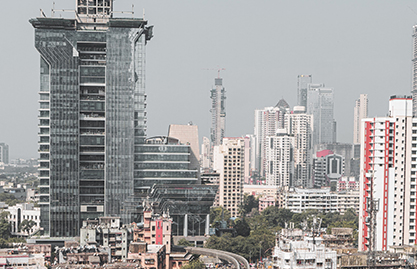
How Can India Push Its Infrastructural Growth to the Next Level
- BLOGS
- SEPTEMBER 09, 2022
The key to India's transformation from a developing nation to a developed one lies in strengthening its infrastructure across sectors

Why the Smart Cities Mission Has Not Solved Dehradun’s Urbanisation Woes
- BLOGS
- SEPTEMBER 09, 2022
Himalayan foothills in India are replete with scenic cities, towns and villages. Dehradun, the capital of the mountainous state of Uttarakhand, is one such city.
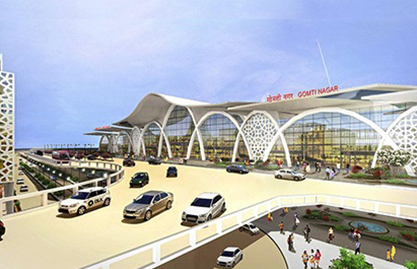
How to Design a New-Age Transport Hub
- BLOGS
- SEPTEMBER 09, 2022
A transportation hub is an area where passengers and goods transition between different modes of transportation. Some examples include bus terminals, railway stations, metro stations and airports.
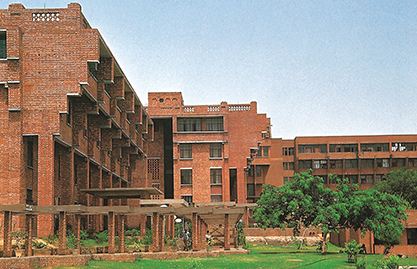
Three Ways to Create Holistic Learning Environments
- BLOGS
- SEPTEMBER 09, 2022
Educational institutes are the basic building block of any civil society. They extend opportunities for students who, as citizens, steer a nation towards its growth.